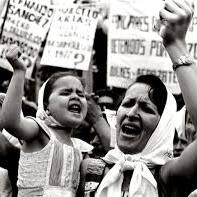
Memory, Resistance and Democracy
Argentina 1976-2026:
50 Years After the Coup
Join us in marking the 50th anniversary of the 1976 coup d’état in Argentina. Half a century later, the past is not behind us. The legacy of the civic–military dictatorship continues to shape how we understand memory, justice, democracy, and the ongoing search for truth. The Argentine experience offers not only a history to remember, but lessons that continue to resonate
Were you born between 1975 and 1983 to at least one Argentine parent and have questions about your identity? You can write to us in confidentially: [email protected]
Date
March 20-27
Time
8:00 a.m. to 8:00 p.m.
Location
City Hall Entrance
100 Queen Street West
From Silence to Identity in Argentina. 50 Years of Memory, Truth and the Defense of Human Rights
Date
March 24
Time
6:00 p.m. to 10:00 p.m.
Location
Innis Town Hall
University of Toronto
2 Sussex Avenue
Film screening: “Ariel: Back to Buenos Aires”
Date
March 26
Time
6:00 p.m. to 8:00 p.m.
Location
Ontario Institute for Studies in Education (OISE)
Nexus Room, 12th floor
252 Bloor Street West
Authoritarianism and Democracy. 50 Years After the Military Coup D’etat
Date
March 27
Time
7:00 p.m. to 11:00 p.m.
Location
United Steelworkers Hall
25 Cecil Street
Tango, Theatre, and Memory:
An Evening for Abuelas de Plaza de Mayo
Date
March 29
Time
12:00 p.m.
Location
Dufferin and Eglinton
Palm Sunday Procession
March 20-27
8:00 a.m. - 8:00 p.m.
From Silence to Identity in Argentina. 50 Years of Memory, Truth and the Defense of Human Rights
Through key events and historical milestones, this public installation traces Argentina’s path over the past fifty years — from the 1976 military coup and state terror to the ongoing work of memory, truth, and human rights. It highlights the vital role of civil society in transforming silence into collective action and justice.
City Hall Entrance. 100 Queen St W
March 24
6:00 p.m. - 10:00 p.m.
Film Screening
"Ariel: Back to Buenos Aires"
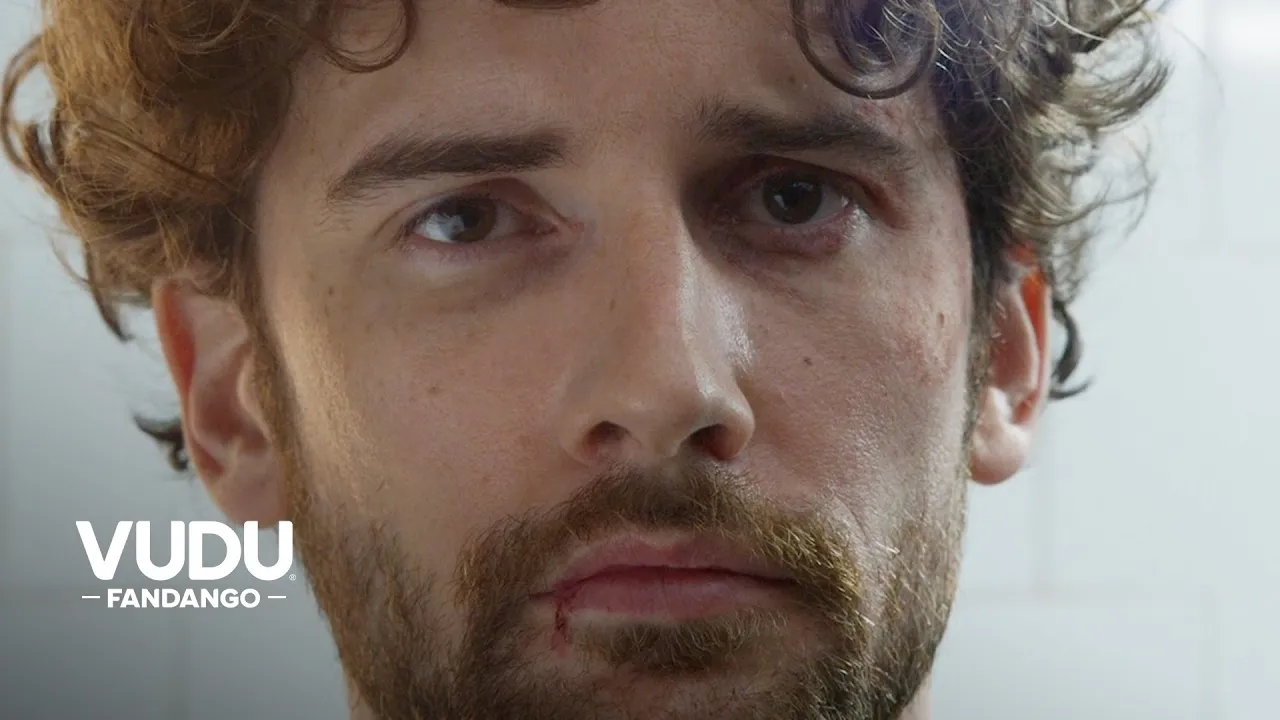
Ariel: Back to Buenos Aires traces a return that is also a search for memory, identity and belonging. As Ariel walks through the city, the film reflects a country where the echoes of memory and tango quietly persist. This search for identity has been and is inspired by the work of the Abuelas de Plaza de Mayo.
Innis College
University of Toronto
2 Sussex Avenue, South of Bloor Street West
March 26
6:00 p.m. - 8:00 p.m.
Panel discussion
Authoritarianism and Democracy: 50 Years After the Military Coup D’etat
Argentinians commemorate the 50th anniversary of the 1976 military coup, a turning point in the country’s history, under conditions that would have been unthinkable just a few years ago. In the 1970s, the military responded to the emergence of progressive movements contesting the roots of inequality in the country with torture, forced disappearance, and extrajudicial killings targeting thousands of trade unionists, political activists, students, and community organizers. Terror also silenced or forced thousands more into exile. Democracy returned in 1983, but the legacies of the dictatorship have remained tangible limits to what has been politically and economically viable for the country.This panel will examine the political and social struggles surrounding the 1976 coup, how they were transformed with the return to democracy, and what these developments reveal about political change in Argentina over the last fifty years. It also invites reflection on the limits that the legacy of the dictatorship continues to impose on the country’s political and economic life.These reflections seem particularly important as the democratic consensus that, despite its limitations, helped keep authoritarianism at bay since the 1980s gives way to a far-right political experiment whose full consequences remain uncertain.Panel presentations:
• Workers and working class struggles in Argentina
• Human rights as continual struggle
• From the transition to democracy to the authoritarian turnModerator:
Marcelo Vieta
Departmental Chair and Associate Professor, Ontario Institute for Studies in Education, University of Toronto
Nexus Lounge (12th floor (Room 12-130)
Ontario Institute for Studies in Education (OISE)
252 Bloor Street West
March 27
7:00 p.m. - 11:00 p.m.
Tango, Theatre, and Memory: An Evening for Abuelas de Plaza de Mayo
Ticketed event: $20 per person
Fundraiser event in support of the search of the stolen grandchildren and their pursue of justice
Meeting Hall
United Steelworkers Union
25 Cecil Street
March 29
12:00 p.m.
Palm Sunday Procession
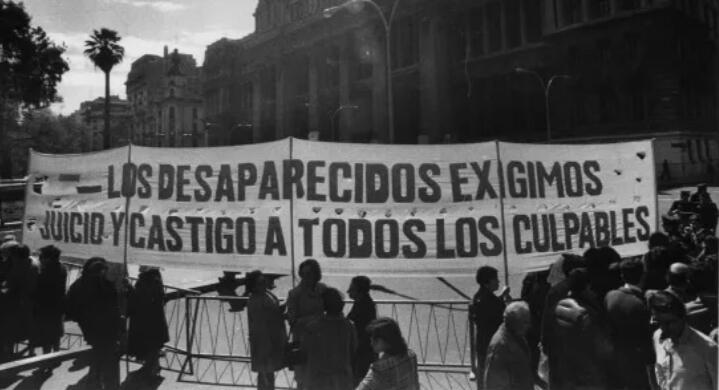
Palm Sunday reminds us of Jesus’ triumphant entry into Jerusalem, bringing a message of revolutionary love and showing that there is no act of love more genuine than a commitment to Truth. A Truth that can only be sustained on the pillars of Memory and Justice. We invite you to join us in this procession honoring the memory of the disappeared in Argentina, reaffirming our commitment to truth, justice, and hope.
Corner of Dufferin and Eglinton
Partners


